Český občanský zákoník: Co vám říká o koupi nemovitosti, vadách a právech
When you buy a home in the Czech Republic, the Český občanský zákoník, základní právní předpis, který upravuje vztahy mezi jednotlivci, včetně koupě nemovitostí a odpovědnosti za vady zboží. Also known as Občanský zákoník, it is the legal backbone that protects you when a house hides cracks, leaking pipes, or faulty insulation. This isn’t about legal jargon—it’s about your real rights when something goes wrong after you’ve signed the papers.
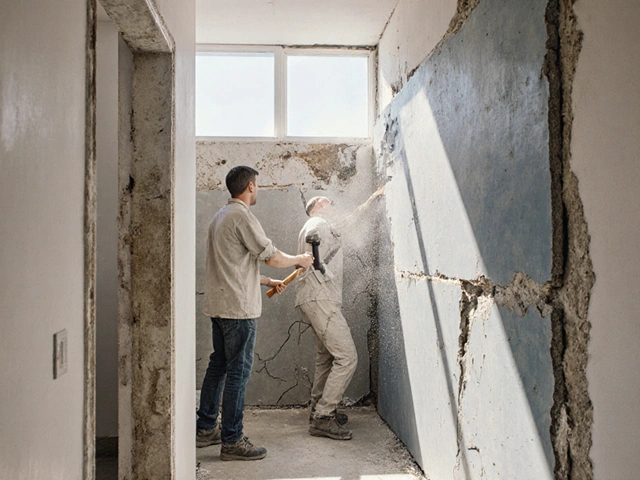
Most people don’t realize that under the Český občanský zákoník, základní právní předpis, který upravuje vztahy mezi jednotlivci, včetně koupě nemovitostí a odpovědnosti za vady zboží, sellers must disclose known defects. If they don’t, and you find a major problem later—like a leaky roof or rotten floor joists—you have legal grounds to demand repair, price reduction, or even contract cancellation. The clock starts ticking from the moment you discover the issue, not from the day you bought the house. And yes, you can still act even if you bought from a private owner, not a developer.
The kupní smlouva, právní smlouva, která přenáší vlastnictví nemovitosti a zahrnuje podmínky pro převod a odpovědnost za vady is your starting point, but it’s not your final shield. Many contracts include clauses that try to limit your rights, but the law overrides them. You don’t need to prove the seller lied—you only need to prove the defect existed before the sale and was not obvious. That’s where a professional inspection becomes your best ally. A termokamera or structural report isn’t just a luxury—it’s evidence that turns your complaint from a complaint into a claim.
And if you’re not sure whether a crack in the wall or a noisy neighbor counts as a legal defect? The vady nemovitosti, skryté nebo viditelné nedostatky nemovitosti, které ovlivňují její hodnotu nebo použitelnost are defined by law as anything that reduces the value or usability of the property compared to what was promised. A missing window seal? Probably not. A cracked foundation? Definitely. A heating system that doesn’t work in winter? Absolutely.
What you’ll find in the articles below isn’t a textbook. It’s real advice from people who’ve been there: how to spot hidden flaws before you sign, how to use the law to get your money back without going to court, and how to avoid the traps that cost buyers tens of thousands of korunas. These aren’t theoretical cases—they’re the exact situations that come up in Brno, Prague, and small towns across the Czech Republic every month. Whether you’re buying your first home or your third, knowing how the Český občanský zákoník works can save you more than just money—it can save you stress, time, and sleepless nights.